
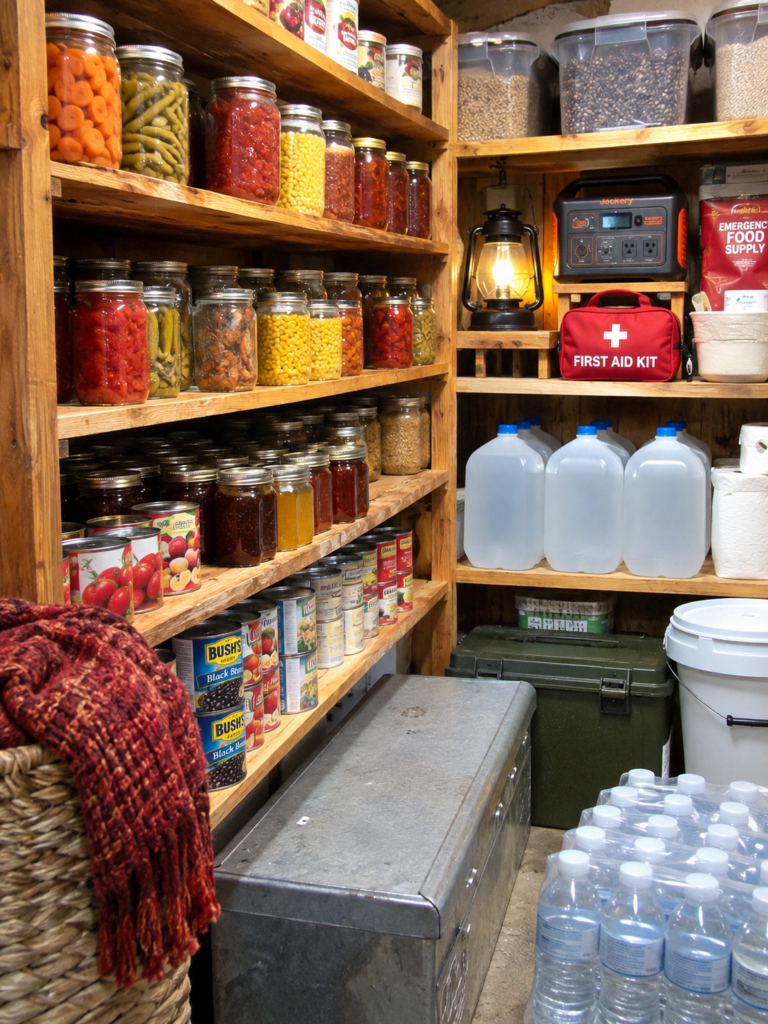
Have you ever wondered how your family would manage if the electricity went out for several days, the grocery stores closed temporarily, or a major winter storm made travel impossible?
With government emergency preparedness recommendations receiving renewed attention, many families are thinking about how much food, water, and other supplies they should keep at home.
But here’s the good news: You don’t need an expensive survival kit, a basement full of food, or thousands of dollars to be better prepared.
In fact, one of the smartest ways to prepare for emergencies is to build a practical stockpile gradually, using the same money-saving strategies you already use for everyday grocery shopping.
Let’s look at what government agencies actually recommend, what your family needs most, and how to prepare without blowing your budget.
What Does the Government Recommend?
The Federal Emergency Management Agency (FEMA) recommends keeping enough food, water, and essential supplies to sustain your household for at least three days.
The Centers for Disease Control and Prevention (CDC) recommends storing at least one gallon of water per person per day for three days and working toward a two-week supply if possible.
These are general preparedness recommendations—not proof that a particular disaster is about to happen.
Think of emergency supplies as insurance you can actually use. If nothing happens, you’ll still have groceries, toiletries, and household essentials your family needs.
1. Start With Water: Your Most Important Supply
Water should be your first priority because a power outage, damaged water line, or contaminated water supply can quickly affect daily life.
The basic recommendation is one gallon per person per day.
| Household size | 3-day supply | 14-day supply |
|---|---|---|
| 1 person | 3 gallons | 14 gallons |
| 2 people | 6 gallons | 28 gallons |
| 4 people | 12 gallons | 56 gallons |
| 5 people | 15 gallons | 70 gallons |
| 6 people | 18 gallons | 84 gallons |
You may need additional water for pets, medical needs, hot weather, or other household circumstances.
Budget tip: Start with three days’ worth of commercially bottled water. Add more as your budget and storage space allow.
If you fill your own water storage containers, choose food-grade containers, follow CDC cleaning and storage guidance, and replace stored water every six months.
Remember that household water filters are not all designed to remove the same contaminants. Follow local water advisories, especially if chemicals or fuel may be present.
2. Build a Pantry With Foods Your Family Already Eats
One of the biggest stockpiling mistakes is buying large quantities of unfamiliar foods simply because they’re advertised as emergency supplies.
Instead, create a rotating pantry filled with foods your family regularly enjoys.
Affordable foods to consider:
- Canned vegetables, beans, fruit, and soup
- Peanut butter or other shelf-stable spreads
- Oatmeal, cereal, crackers, and granola bars
- Rice, pasta, and shelf-stable sauces
- Canned chicken or other ready-to-eat proteins
- Applesauce, dried fruit, and nuts
- Shelf-stable milk or milk alternatives
- Foods that accommodate your family’s allergies or dietary needs
For an emergency without electricity, prioritize at least three days of food that can be eaten without refrigeration or cooking.
Budget tip: Each time you grocery shop, purchase one or two extra items when they’re on sale. Rotate them into regular meals so nothing goes to waste.
3. Don’t Forget the Non-Food Essentials
Food and water are important, but many emergencies create challenges that have nothing to do with hunger.
Your emergency supplies should also include:
- Flashlights and spare batteries
- A battery-powered or hand-crank radio
- A first-aid kit
- Necessary prescription medications and medical supplies
- Toilet paper, soap, and personal hygiene products
- Trash bags and cleaning supplies
- A manual can opener
- Warm blankets and weather-appropriate clothing
- Phone charging cables and charged power banks
- Copies of important documents
- A modest amount of cash in small bills
- Baby supplies and pet food, if needed
Keep essential items somewhere easy to find, especially if the power goes out at night.
4. Prepare for a Power Outage Before Winter Arrives
Power outages can affect much more than your lights.
You may lose access to refrigeration, internet service, heating equipment, or even running water if your home depends on an electric well pump.
Start with simple, inexpensive solutions: charged power banks, flashlights, battery-powered lights, blankets, and a plan for keeping phones charged.
If you’re considering a generator or portable power station, first determine which appliances and medical devices must run and how much power they require.
Important safety reminder: Never operate gasoline, propane, or other fuel-burning generators indoors, in garages, or near windows and doors. Carbon monoxide can be deadly. Never use outdoor grills or camp stoves to heat your home.
5. Create a Family Emergency Plan
Supplies are only part of being prepared.
Take a little time to discuss what your family would do if you needed to leave home quickly or couldn’t reach one another.
Make sure everyone knows:
- Where emergency supplies are stored
- How to contact family members if phones or internet service fail
- Where to meet if your household becomes separated
- Which medications, documents, and important items to take during an evacuation
- Where to find reliable local emergency alerts
You may also want to keep a small emergency bag in your vehicle.
6. Stockpile Without Going Into Debt
This is where preparedness and frugal living really come together!
You don’t need to buy everything at once.
Week 1: Water
Purchase or set aside enough safe drinking water for your household’s first three days.
Week 2: Food
Add a few extra shelf-stable foods your family already eats. Focus on foods that don’t require cooking.
Week 3: Lighting and communication
Check your flashlights, batteries, charging options, and emergency radio.
Week 4: Health and household essentials
Review first-aid supplies, prescriptions, hygiene items, pet supplies, and your family emergency plan.
After the first month, continue building toward a longer supply as finances permit.
A small, useful stockpile is better than an expensive collection of products that sit untouched and eventually expire.Building an emergency pantry doesn’t have to wreck your grocery budget. Check out my tips on how to save on your grocery bill for more ways to stretch your family’s food budget.
7. Avoid These Common Stockpiling Mistakes
Buying out of fear. You don’t need to empty grocery shelves or purchase products just because someone on social media says they’re essential.
Ignoring expiration dates. Rotate your food and check stored water and medications regularly.
Buying supplies you can’t use. Emergency food is only helpful if your family can safely eat it and prepare it.
Forgetting about water and sanitation. A pantry full of canned goods won’t solve a drinking-water shortage.
Overlooking special needs. Include medications, medical equipment, pet supplies, and any dietary necessities.
Storing everything in one inaccessible location. Keep essential supplies organized, protected, and easy to retrieve.
Final Thoughts: Prepared, Not Panicked
Emergency preparedness doesn’t have to be frightening, complicated, or expensive.
Start with what you already have, identify the gaps, and fill them gradually.
Whether you’re preparing for a winter storm, a temporary power outage, or another unexpected disruption, the goal is the same: protect your family while being a good steward of your money.
And remember, preparedness is a process—not a shopping spree.
Let’s talk!
Do you keep an emergency pantry or stockpile at home? What’s one item you always make sure you have extra of?
Share your ideas in the comments. I’d love to hear how other families prepare while staying on budget!
Leave a Reply